
The allure of chance and risk
The psychology behind casino gaming decisions is deeply rooted in the allure of chance and the excitement of risk. Gamblers are often drawn to the unpredictability of casino games, where luck plays a significant role in the outcome. The thrill associated with potentially winning large sums of money can create a powerful emotional response, leading individuals to engage in gaming activities more frequently. Additionally, if you want to truly enhance your skills, find out more here, as this thrill-seeking behavior is an essential aspect of human psychology, as it taps into the desire for adventure and the possibility of reward.
Moreover, the concept of risk-taking is intertwined with the idea of personal control. Many players believe that they can influence the outcome of their gaming experience through skill or strategy. This cognitive bias, known as the illusion of control, can lead individuals to underestimate the inherent risks in gambling and overestimate their chances of winning, further driving their engagement in casino games.
Emotional factors influencing decisions
Emotion plays a critical role in decision-making processes within the casino environment. Casinos are designed to evoke feelings of excitement, anticipation, and even anxiety, all of which can significantly impact a player’s choices. When individuals are in a heightened emotional state, they may act impulsively, making decisions that they would otherwise avoid in a calmer mindset. This emotional volatility can lead to increased betting and prolonged gaming sessions.
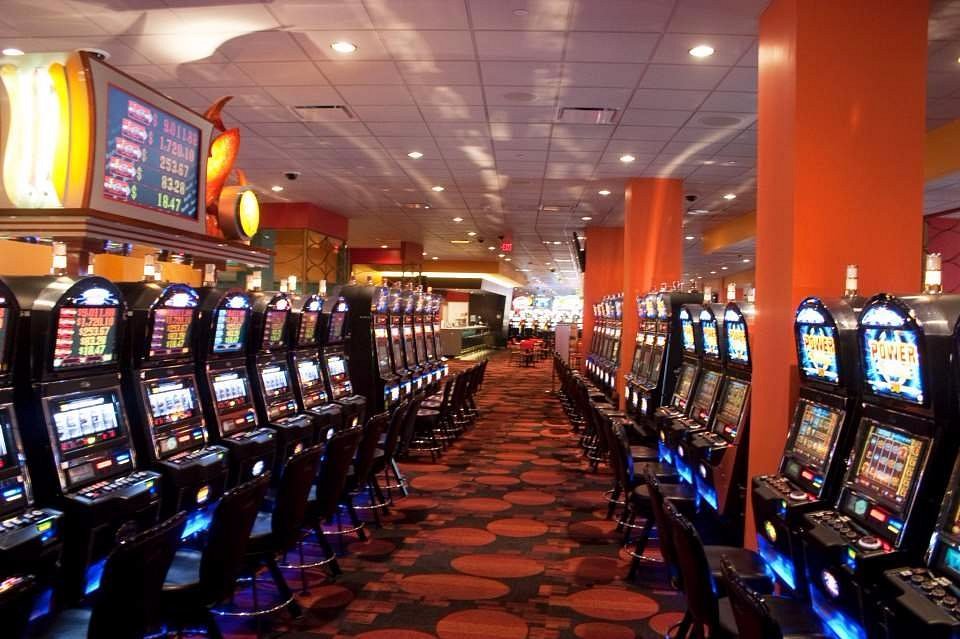
The use of colors, sounds, and lighting in casinos enhances these emotional triggers. The vibrant atmosphere creates a sensory overload that magnifies feelings of excitement and euphoria. Consequently, players may find themselves captivated by the environment, leading them to make spontaneous decisions that favor higher bets and longer playtimes, often ignoring the risks involved.
The impact of social dynamics
Social interactions within casinos also influence gaming decisions significantly. Gamblers often engage with peers, and these interactions can create a social reinforcement of behavior. The atmosphere of camaraderie among players can encourage individuals to take larger risks or continue playing beyond their intended limits. This communal experience can foster a sense of belonging, making it more challenging for players to recognize when to stop.
Additionally, social norms and the behavior of fellow players can impact an individual’s decision-making process. When individuals observe others winning or enjoying their gaming experience, they may be more inclined to participate, believing that they too might experience similar outcomes. This social proof can perpetuate a cycle of gambling, as players seek to replicate others’ successes.
The role of cognitive biases
Cognitive biases significantly shape the decision-making processes in the casino setting. One common bias is the gambler’s fallacy, the belief that past events influence future outcomes in random games. For instance, if a player observes several losses in a row, they may irrationally believe that a win is due, prompting them to continue betting. This misjudgment underscores the complexities of human reasoning and how it can lead to potentially harmful behaviors in gaming.
Another critical cognitive bias is the confirmation bias, where individuals seek out information that supports their existing beliefs while ignoring evidence that contradicts them. Gamblers often focus on their wins and disregard losses, which reinforces the notion that they are in control of their luck. Understanding these biases is essential for recognizing how they can lead to flawed decision-making in casino environments and potentially harmful gambling habits.

Empower yourself through education
Understanding the psychological factors influencing casino gaming decisions can empower individuals to make more informed choices about their gambling activities. By recognizing the emotional triggers, cognitive biases, and social influences at play, players can develop strategies to mitigate excessive gambling and foster healthier habits. This knowledge promotes responsible gaming practices and enables individuals to enjoy the entertainment aspect of casinos without succumbing to the associated risks.
Education is a vital tool in navigating the complexities of gaming psychology. Resources that offer insights into gaming behaviors and strategies for responsible gambling can foster a safer and more enjoyable experience. By taking the time to explore these educational opportunities, individuals can enhance their understanding of both their gaming habits and the dynamics of the casino environment, ultimately leading to more balanced decision-making.